
The Monotheism Mirage
The Crowded Divine Council of Early Christianity
Reasoned Reality is incredibly important to me. You will never see a collection plate passed around here for ten percent of your hard-earned money. This historical information should be accessible to everyone. But if you are able to chip in, a monthly subscription of exactly $6.66 is a great way to support. If you are an exvangelical, like myself, you’ll understand my subscription price😊
I am so grateful to have you here, no matter what.
We are taught that the defining feature of the Judeo-Christian tradition is the strict, unyielding belief in a single God. But when you examine the earliest texts and archaeological evidence, you find a crowded pantheon of divine beings that took centuries to consolidate.
It is the absolute bedrock of Western religion. The central, nonnegotiable pillar of the entire Abrahamic worldview is monotheism. We are told from the very beginning that the ancient Israelites stood alone among their pagan neighbors because they worshipped only one God. We are taught that the early Christians inherited this strict, solitary theology and carried it into the Roman Empire.
It is a clean, simple, and easily digestible narrative. But there is a massive historical problem with this tidy storyline.
When you strip away centuries of later theological smoothing and actually read the ancient texts in their original historical context, the reality is incredibly messy. The modern concept of strict monotheism was not handed down from a mountaintop on day one. It was a slow, highly contested political and theological evolution. The earliest ancestors of the faith were undeniably polytheistic, and the early Christian church spent its first three centuries arguing fiercely over exactly how many divine beings they were actually worshipping.
To understand how this evolved, we have to start with the foundational texts of the Old Testament.
If you read the Hebrew Bible carefully, you will find consistent remnants of a much older, crowded divine realm. The ancient Israelites originally emerged from Canaanite culture. The head of the Canaanite pantheon of gods was a supreme creator deity named El. The Canaanite religion also included a massive assembly of lesser gods, known as the divine council, who managed the affairs of the nations.
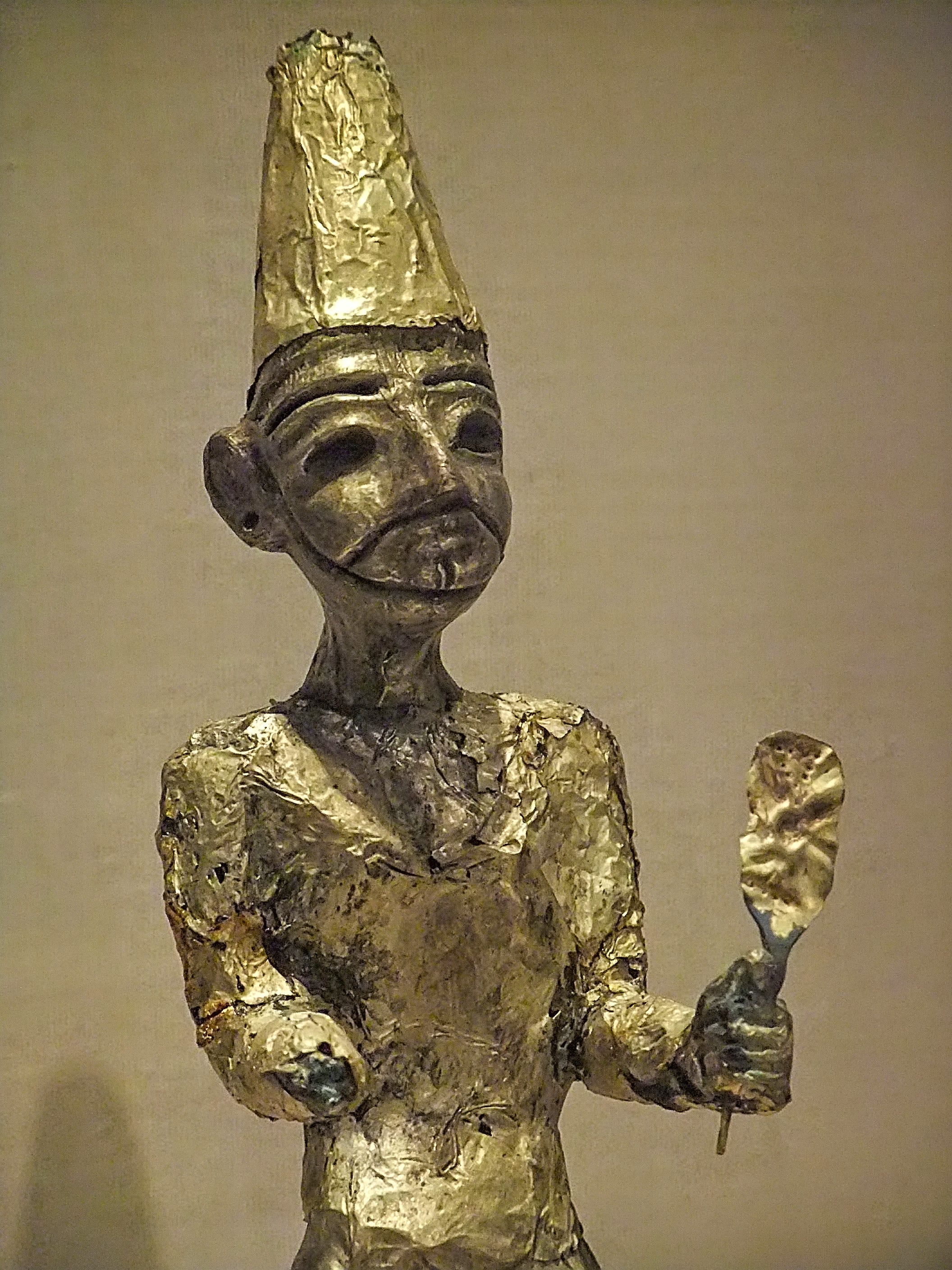
In the earliest biblical texts, Yahweh was not the supreme creator of the universe. Yahweh was understood as a regional, desert dwelling warrior god and storm deity. In the text of Deuteronomy 32, we see a fascinating and completely preserved polytheistic worldview. The text describes El Elyon, the Most High God, dividing up the nations of the earth and giving them to the various lesser gods of the divine council. Yahweh is specifically given the nation of Israel as his assigned inheritance.
For hundreds of years, the ancient Israelites were not monotheists. They practiced a theology known as henotheism or monolatry. This means they firmly believed that many other gods existed, but they made a covenant to only worship their specific national god, Yahweh. When the biblical writers commanded the people to have no other gods before Yahweh, they were not saying those other gods were fake. They were saying those other gods were rival entities competing for their loyalty.
Archaeology provides even more startling physical evidence of this crowded divine realm. In the 1970s, archaeologists excavating sites at Kuntillet Ajrud and Khirbet el-Qom discovered ancient Israelite inscriptions that completely shattered the modern narrative.
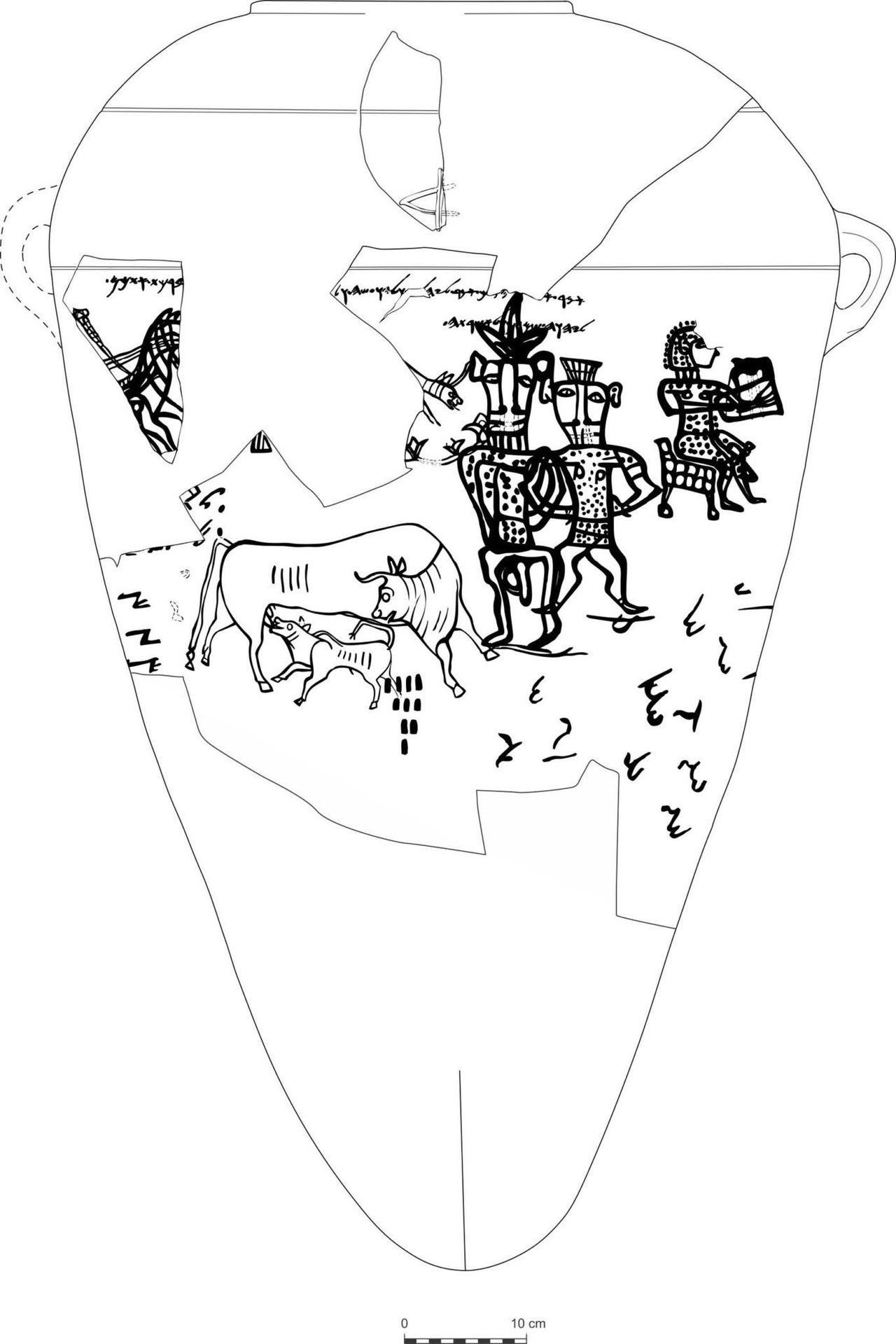
The inscriptions contained prayers and blessings dedicated to “Yahweh and his Asherah.” Asherah was a well-known Canaanite fertility goddess. For a significant portion of Israelite history, the people worshipped God alongside a divine wife.
Strict, exclusive monotheism did not actually take hold until a massive national trauma occurred. In the sixth century BCE, the Babylonian empire conquered Jerusalem, destroyed the temple, and dragged the Israelites into exile. This catastrophic event forced a complete theological rewrite. The Israelite priests and scribes concluded that their exile was punishment for worshipping the other gods of the council. During and after the exile, they began heavily editing their sacred texts to merge the supreme creator god El with the regional warrior god Yahweh, slowly erasing the other deities and establishing the strict, single God narrative we recognize today.
By the time Jesus of Nazareth was born in the first century, strict Jewish monotheism was fiercely established. But the early Jesus movement immediately complicated the equation all over again.
Following the death of Jesus, his earliest followers began experiencing and worshipping him in a way that completely strained the boundaries of their strict Jewish monotheism. They began singing hymns to him. They prayed to him. They attributed divine titles to him.
The Apostle Paul, writing the earliest documents in the New Testament, clearly viewed Jesus as a preexistent, highly exalted divine being who assisted in the creation of the world. However, Paul also viewed Jesus as distinctly separate from and subordinate to God the Father.
By the time the Gospel of John was written near the end of the first century, the theology had evolved even further. John opens his account by boldly declaring that the Word was with God and the Word was God.
To outside observers, and to traditional Jewish neighbors, the early Christians did not look like monotheists at all. They looked like binitarians. They were actively worshipping two distinct, divine entities. They had God the Father in the heavens, and they had the divine Son, Jesus, seated at his right hand. Shortly after, they began incorporating the Holy Spirit as a distinct, active presence, moving them toward worshipping three separate divine manifestations.
This created a massive intellectual and theological crisis. How could they claim to be monotheists while clearly worshipping a multi-person divine council?
This question fractured the early church. Different factions developed wildly different explanations. Some early groups, known as the Ebionites, believed Jesus was just a regular human prophet adopted by God. Other groups, influenced by Gnosticism, believed the creator God of the Old Testament was actually an evil, lesser deity, and Jesus was a divine messenger sent from the true, hidden Supreme God to rescue humanity from the physical world.
The debate raged for three hundred years. It culminated in the early fourth century with a massive theological conflict between two church leaders in Alexandria, Arius and Athanasius. Arius argued that if Jesus was the Son, he must have been created by the Father at a specific point in time, making him a lesser, subordinate divine being. Athanasius argued that Jesus was coeternal and made of the exact same substance as the Father.
The argument became so heated and divided the Roman Empire so deeply that the Emperor Constantine finally had to step in. In the year 325 CE, Constantine called the Council of Nicaea. He gathered the bishops together and essentially forced them to vote on the exact nature of the divine realm.
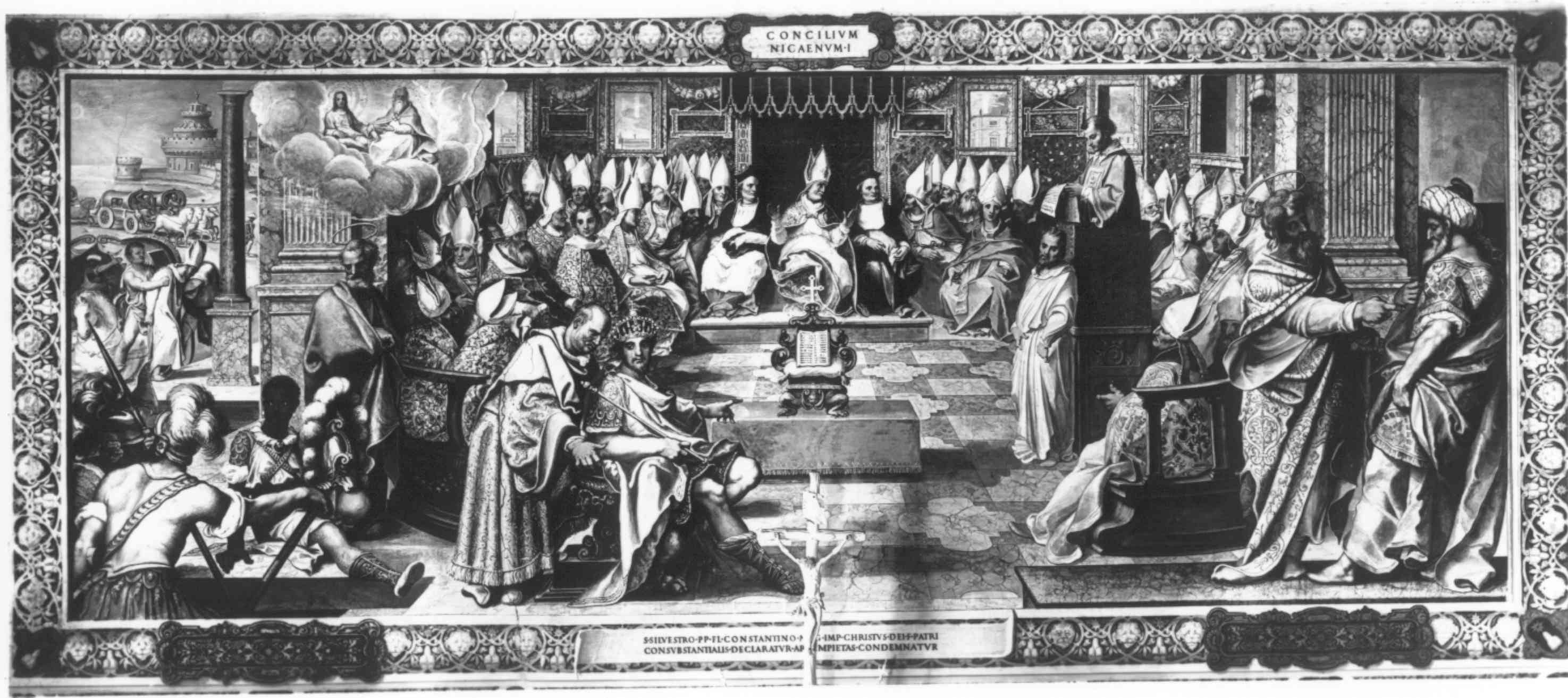
It was at this council, three centuries after the life of Jesus, that the concept of the Trinity was formally mandated as orthodox law. The church officially decided that God was one single substance existing simultaneously in three distinct persons. Anyone who disagreed was declared a heretic and exiled.
The tidy package of strict monotheism that sits at the center of modern religion was not a simple, day one revelation. It was the result of a long, chaotic evolution. It began with a polytheistic desert tribe worshipping a warrior god alongside his goddess wife. It evolved through the trauma of exile into a strict adherence to a single deity. And it was ultimately fractured and reassembled by early Christians who found themselves worshipping a new divine being, forcing an emperor to call a vote to legally define the math of the heavens.
Recognizing this complex, deeply human history does not have to destroy the value of the texts. But it does require us to be honest about the messy, political, and highly debated origins of the beliefs that still shape our modern world.
Sources & Further Reading
The Early History of God: Yahweh and the Other Deities in Ancient Israel by Mark S. Smith (A rigorous archaeological and textual examination of how Israelite religion evolved from Canaanite polytheism to monotheism).
Two Powers in Heaven: Early Rabbinic Reports about Christianity and Gnosticism by Alan F. Segal (An academic deep dive into how early Jewish and Christian groups debated the existence of multiple divine beings in heaven).
How Jesus Became God: The Exaltation of a Jewish Preacher from Galilee by Bart D. Ehrman (A historical breakdown of how the early church slowly elevated Jesus from a human prophet to a fully divine being).
You will never see a collection plate passed around here for ten percent of your hard-earned money. This historical information should be accessible to everyone. But if you are able to chip in, a monthly subscription of exactly $6.66 is a great way to support.